CIGRE President Discusses Global Energy Transition Challenges at STEI ITB's Electricity Study Program Public Lecture
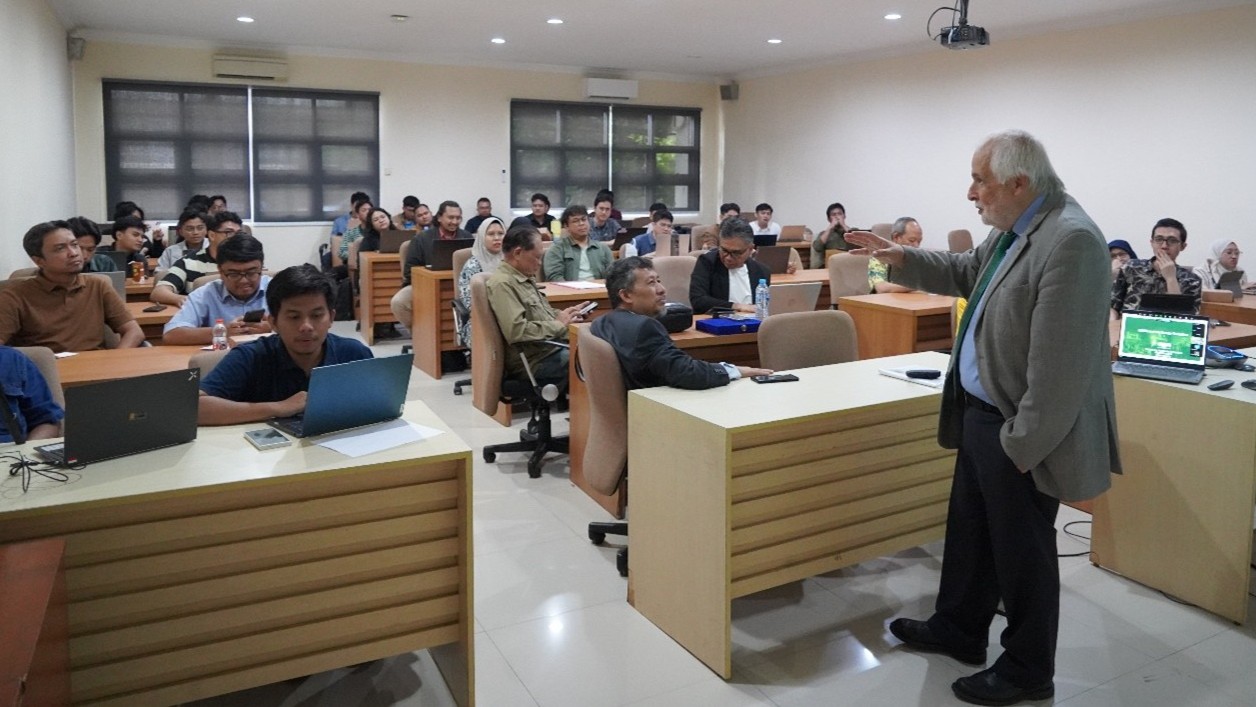
Bandung, stei.itb.ac.id — The Electrical Engineering Research Group, School of Electrical Engineering and Informatics (STEI) ITB, held a public lecture featuring Konstantin O. Papailiou, President of CIGRE for the 2024-2026 period, on Wednesday, April 22, 2026. This activity took place at the PLN Cooperation Building, Classroom C, and was attended by students and lecturers.
Prof. Papailiou is an expert in the field of electric power transmission and a lecturer at the University of Stuttgart. As President of CIGRE, he leads one of the most influential international organizations in the development of global electric power systems and consistently emphasizes the critical role of transmission infrastructure in driving a successful energy transition.
This public lecture aims to provide a global perspective on the development of electric power systems, while also opening up a discussion on the challenges and opportunities in the energy transition. In his presentation, Prof. Papailiou emphasized CIGRE's strategic role as a platform for cross-border collaboration focused on developing power system expertise.
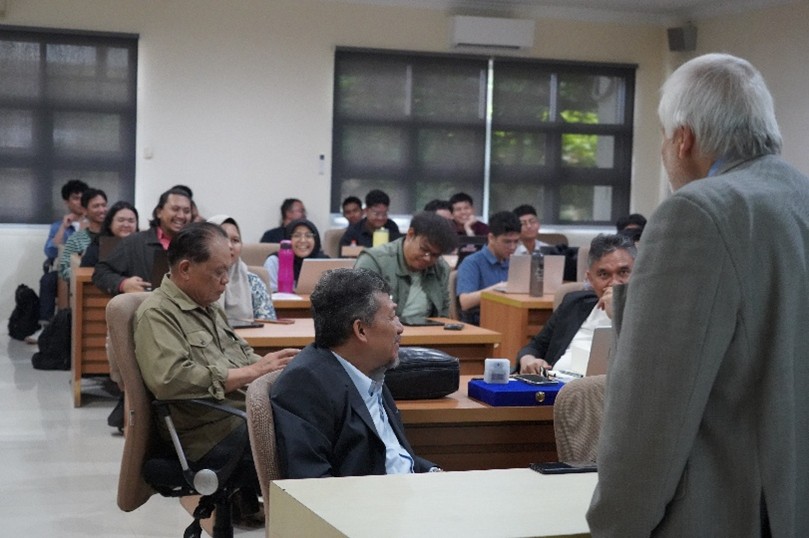
Historically, CIGRE has played a role since 1921 in promoting the standardization and development of global electricity systems. The organization's focus has evolved over time, from regional electrification and transmission grid interconnection to electricity market formation, and now entering the crucial phase of the global energy transition.
According to 2022 International Energy Agency (IEA) data presented in the lecture, approximately 20 percent of the world's population still lacks access to electricity. Meanwhile, global electricity demand is projected to increase significantly by 2050, even reaching 150 percent higher under a Net Zero Emissions scenario. This situation requires a massive expansion of electricity infrastructure, both in terms of generation and transmission networks.
In terms of power demand, the world is estimated to need 25,000 to 40,000 GW of electricity capacity by 2050 to achieve net-zero emissions targets. This means tens of thousands of gigawatts of additional capacity is needed, equivalent to the construction of thousands of new power plants annually. Renewable energy sources such as wind and solar are projected to be the backbone of the future energy system, although nuclear energy also plays a role.
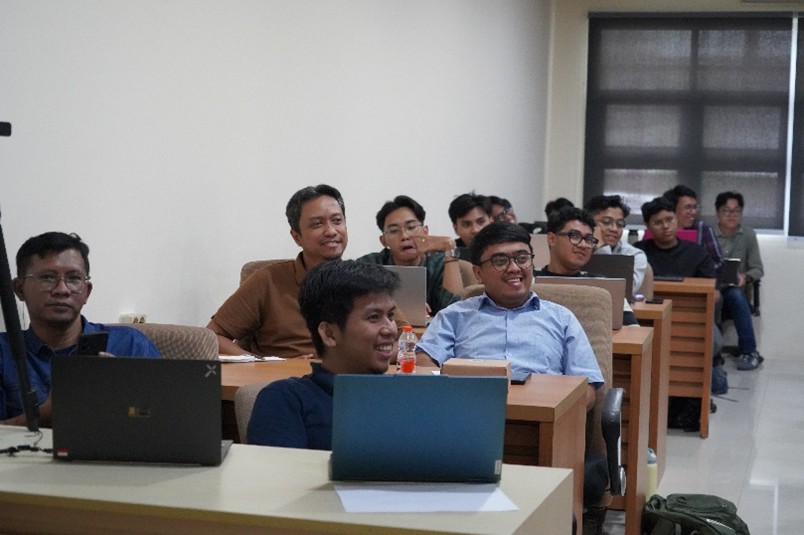
Besides generation, strengthening the transmission network is another major challenge. Papailiou explained that the current global transmission system is approximately 8 to 10 million kilometers long. To support the energy transition, an additional 1.5 to 2.5 million kilometers of new networks are needed, including hundreds of thousands of kilometers of high-voltage (HVDC) lines. Furthermore, approximately 40 to 60 percent of the existing network will need to be upgraded or revitalized by 2050.
“The energy transition is not just about replacing energy sources, but also about rebuilding the system as a whole,” was one of the key messages conveyed in the lecture.
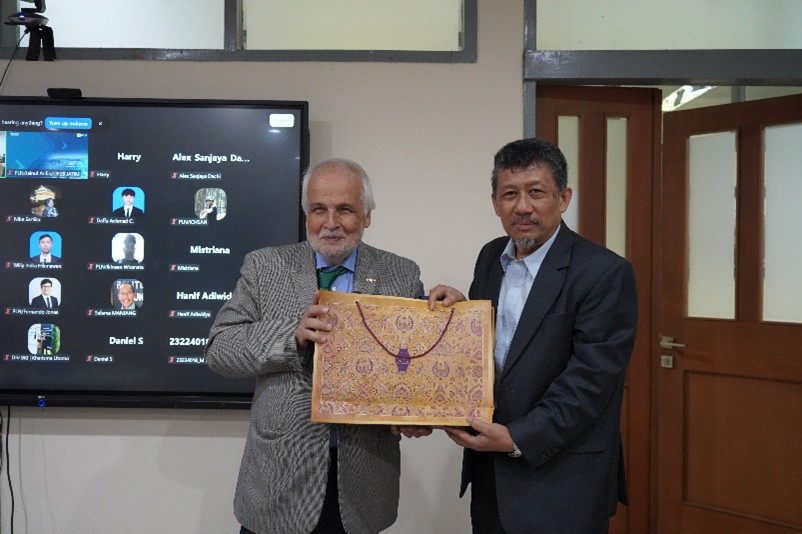
This activity is part of STEI ITB's efforts to strengthen students' global perspectives and encourage active involvement in strategic issues in the electricity sector. Through direct interaction with international figures, it is hoped that the academic community will gain a more comprehensive understanding and be inspired to contribute to the development of sustainable energy systems.
The public lecture was interactive, with a question-and-answer session covering a range of issues, from technological readiness and regulatory challenges to opportunities for international research collaboration. STEI ITB is committed to continuously providing high-quality academic forums as part of its contribution to the development of science and technology in the energy sector.