


Teleproctoring Shortens Distance, Saves Time
Bandung, stei.itb.ac.id — In stroke management, there is a term known as Door to Puncture (DTP) Time, which refers to the time interval from when the patient arrives until the procedure is performed. In emergency cases, time becomes a crucial factor that determines the patient’s safety. Challenges arise when cases occur in areas that do not yet have specialist doctors who can perform the procedure independently or provide direct supervision.
To address this need, a research team developed a teleproctoring system that allows specialist doctors to provide remote assistance via video conference. The team was led by Muhammad Shiddiq Sayyid Hashuro, S.T., M.Eng., Ph.D., a lecturer in the Biomedical Engineering Research Group at STEI ITB.
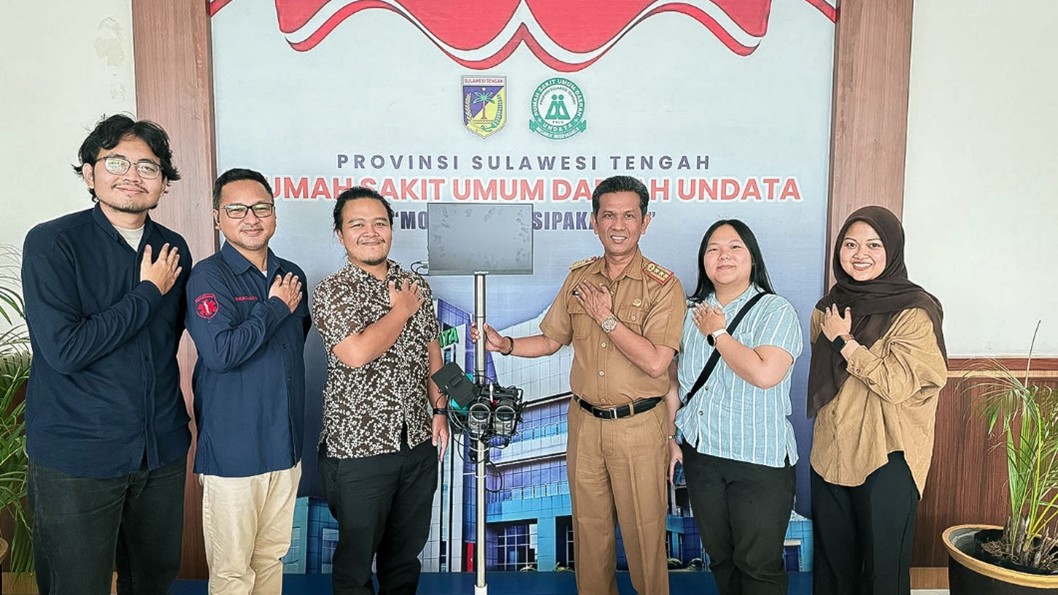
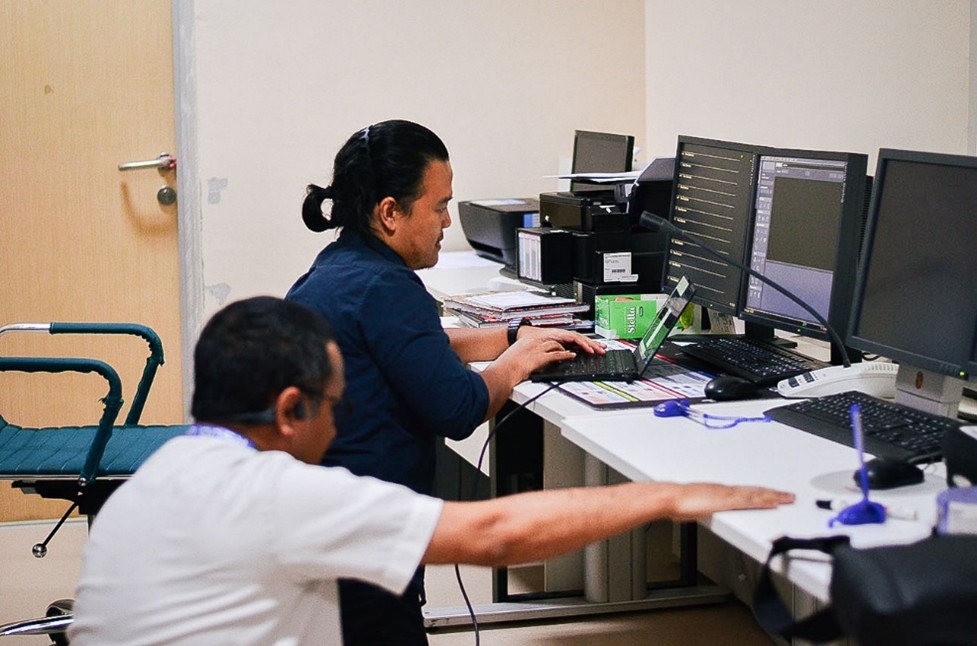
The system development involved several partners. The ITB team was involved in system design and technical installation in the field. The Airlangga University team provided medical consultations. Meanwhile, Undata Hospital in Palu served as a deployment site and medical consultation partner, and the National Brain Center Hospital in Jakarta served as a testing partner as a proctor.

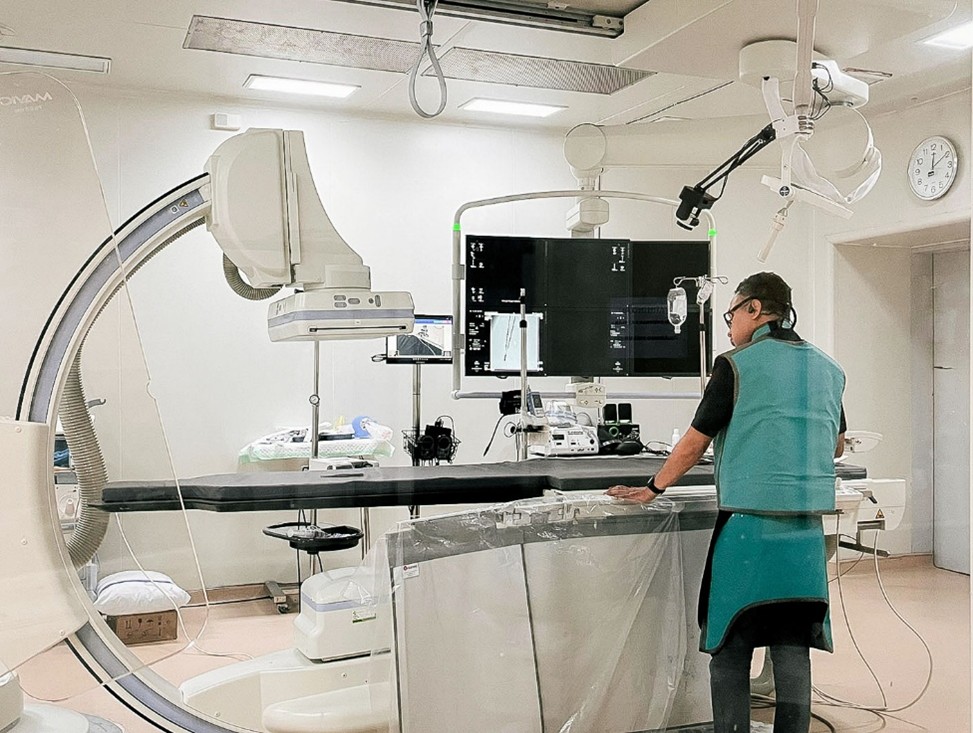
The first implementation took place at Undata Hospital in Palu. This hospital was chosen because it is a referral hospital for neurosurgery services in Central Sulawesi Province and several regencies in West Sulawesi. Furthermore, the implementation coincided with the planned opening of a new cath lab facility at Undata Hospital.
The development of this technology was initiated in March 2025 through a proposal submission. The system design and construction phase took place from June to October 2025. A field survey was conducted in September 2025, and the system was deployed in late October 2025 for testing.
In neurosurgical practice, specialist doctors who have just received certification are still required to undergo a period of supervision (proctored) during the first few months of the procedure. Teleproctoring allows for this supervision to continue without the physical presence of the proctor on site.
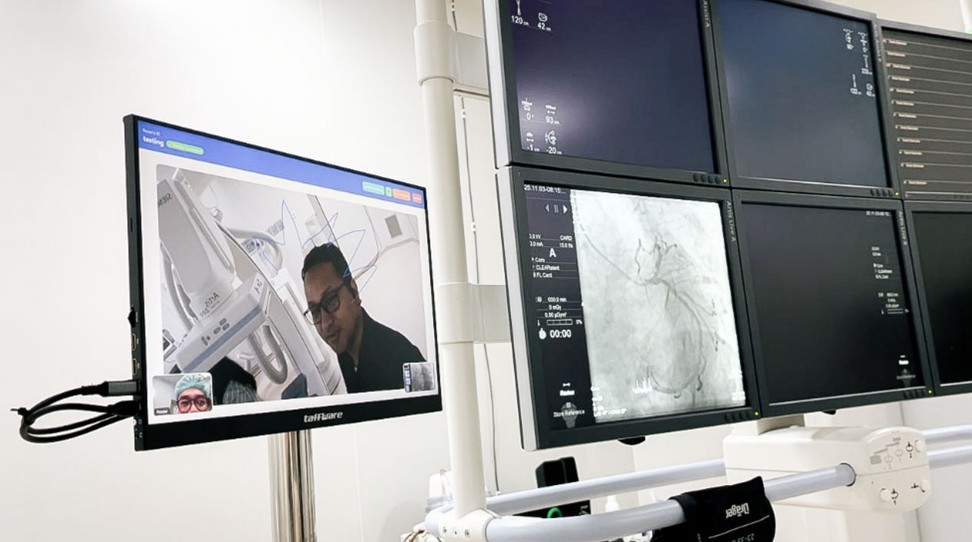
Technically, this system enables two-way communication between the proctor and the operating physician. The devices used consist of a camera, a video capture device, and peripheral devices. The camera records images and audio during the procedure, with the viewing angle being remotely controlled by the proctor through the system software. The video capture device acquires video from the angiographic imaging and displays it to the proctor. The proctor can annotate the display through the system to provide direct guidance. Peripheral devices include a monitor as the system interface and a speaker to convey instructions from the proctor.
Based on the results of interviews with users after using the tool, the system utilization scenarios include: emergency consultation, routine surgery guidance, teaching/training residents, as well as second opinion consultation. The procedures that can be supported include DSA, coiling, thrombectomy, and embolization.
Through this system, remote medical supervision can be carried out in a structured and real-time manner, thus helping to address the need for assistance with procedures in areas with limited expert staff.
 English
  Indonesian