
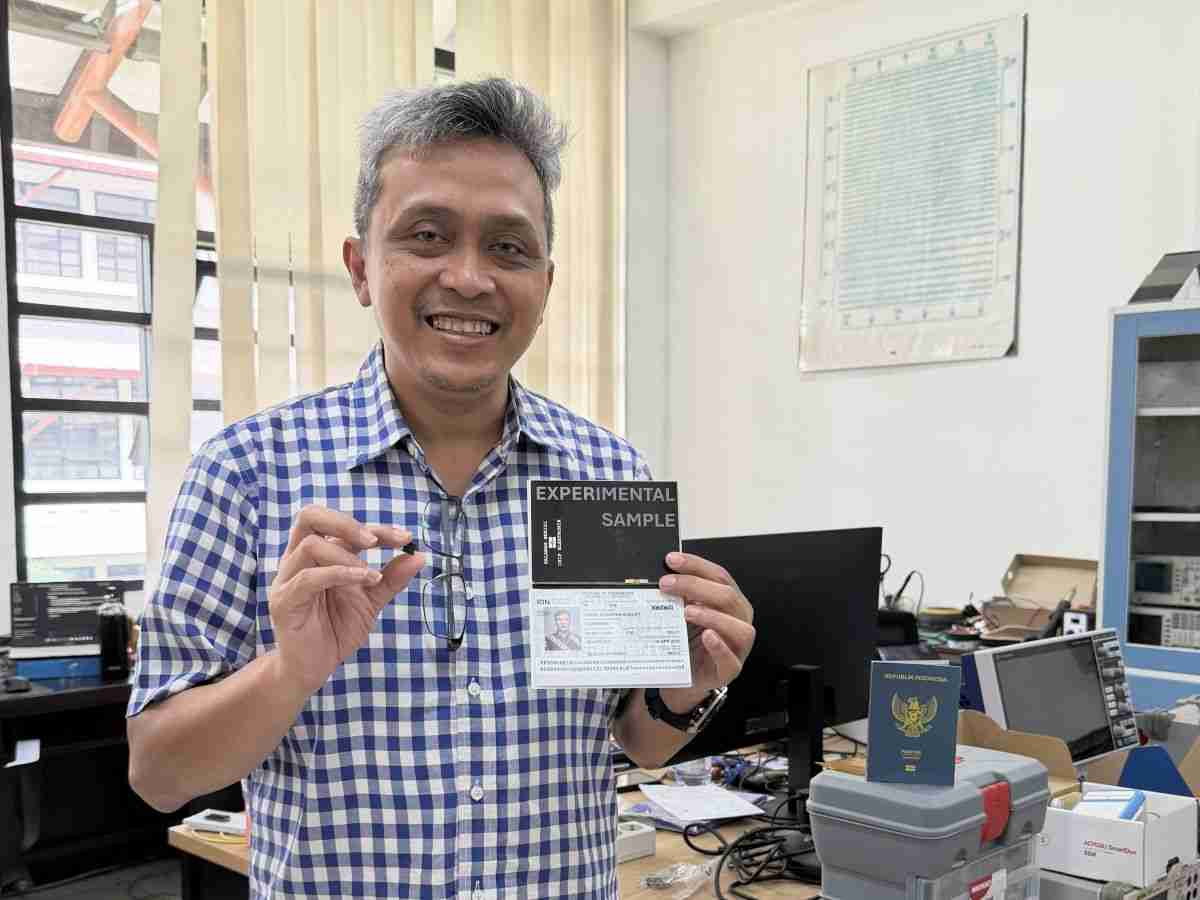
STEI ITB Faculty Member Contributes to the Development of Indonesia’s First Domestically Designed Electronic Passport Chip Prototype
Bandung, stei.itb.ac.id — Prof. Ir. Arif Sasongko, S.T., M.T., Ph.D., a faculty member at the School of Electrical Engineering and Informatics, Institut Teknologi Bandung (STEI ITB), is part of the ITB research team developing the first electronic passport chip prototype designed in Indonesia. ITB is carrying out the project through PT LAPI ITB in collaboration with Perusahaan Umum Percetakan Uang Republik Indonesia (PERURI).
The research took place in 2025–2026. According to ITB’s report, development, testing, and demonstration of the prototype had been completed by September 2026. This achievement demonstrates the domestic research team’s ability to design chip technology for electronic identity documents.
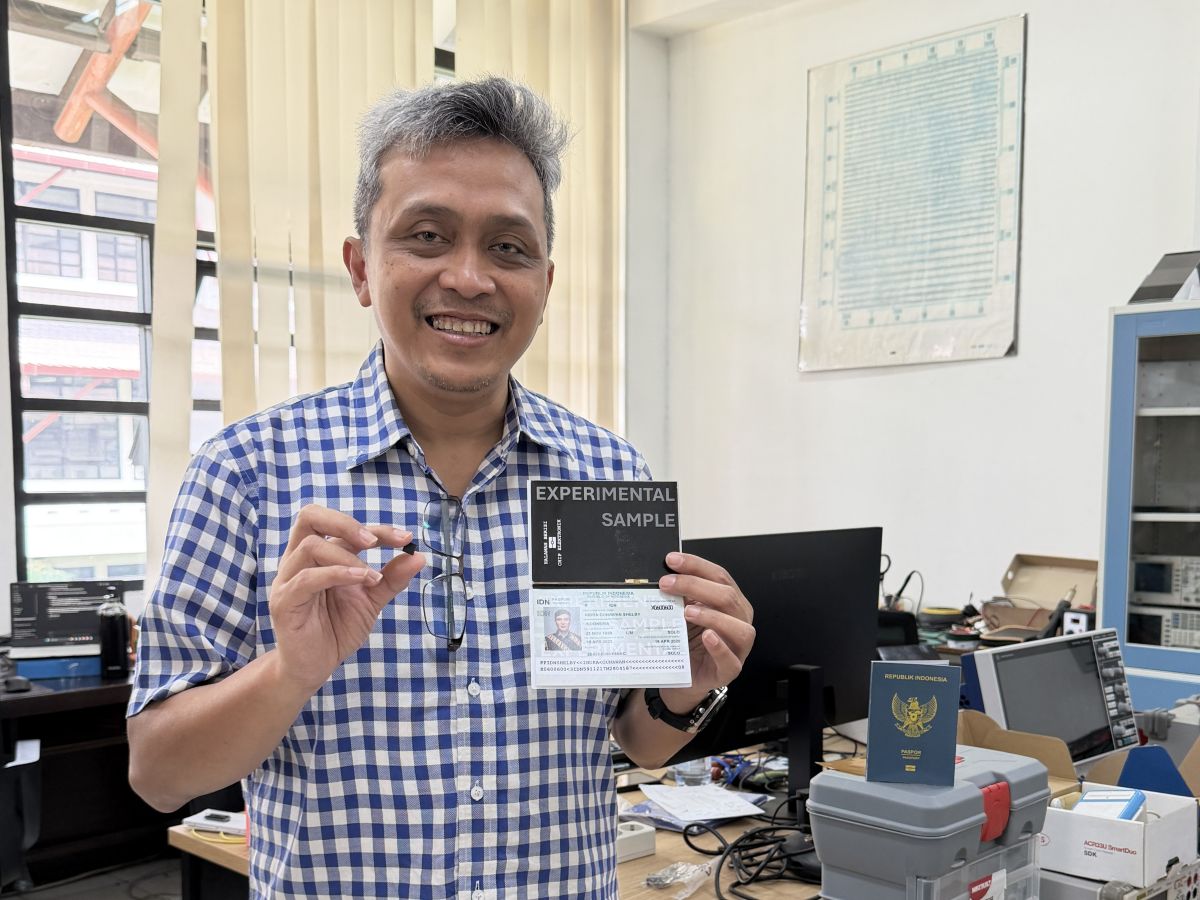
Prof. Arif explained that the research was driven by Indonesia’s need to master electronic passport chip technology, which still relies on imported products. The ability to design chips independently enables researchers to understand and control their architecture and components, particularly for devices that store identity information.
In addition to Prof. Arif, ITB named several faculty members and researchers involved in the project: Muhammad Iqbal Arsyad, Nana Sutisna, Mervin Tangguar Hutabarat, Waskita Adijarto, Yusuf Kurniawan, and Sarwono Sutikno from ITERA. Their involvement reflects a collaborative effort to develop chip-based security technology.
Prof. Arif said the technology could potentially be applied to electronic identity devices, electronic money, and other uses requiring chip-based security systems. Mastery of chip design is also considered a potential source of greater domestic added value and support for the development of the national semiconductor industry.
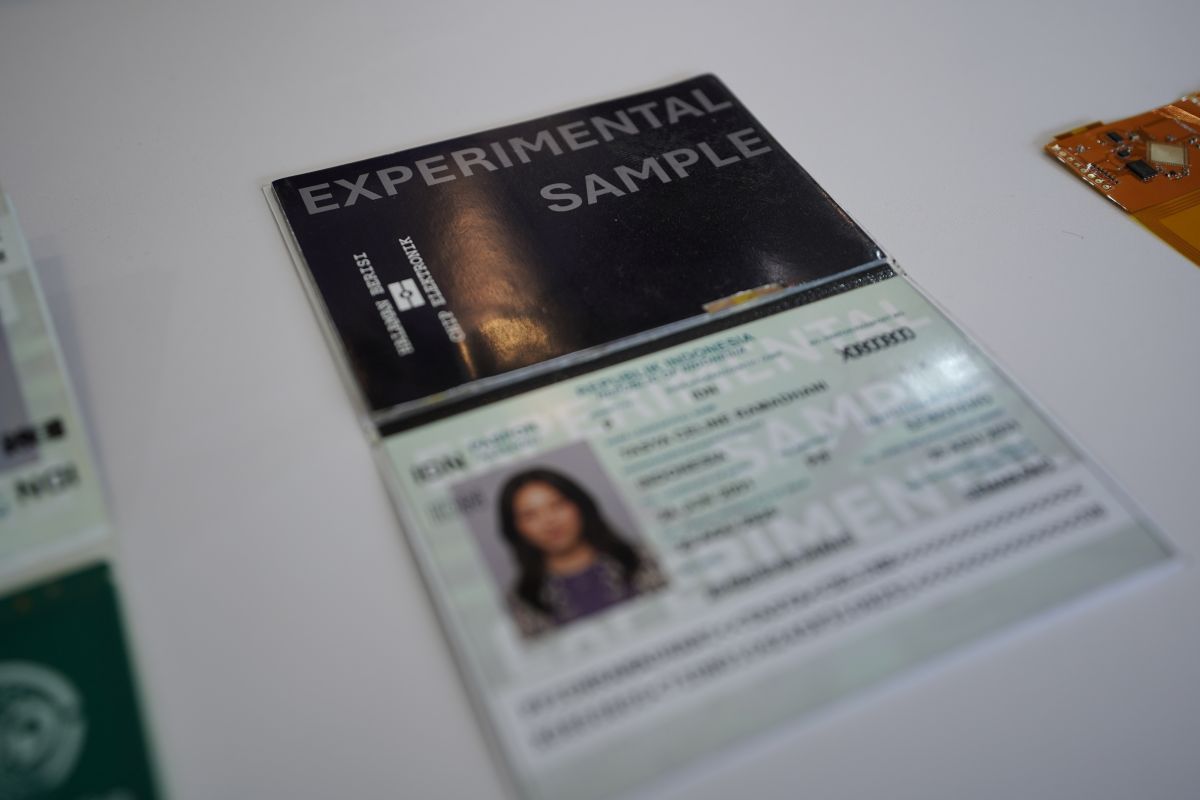
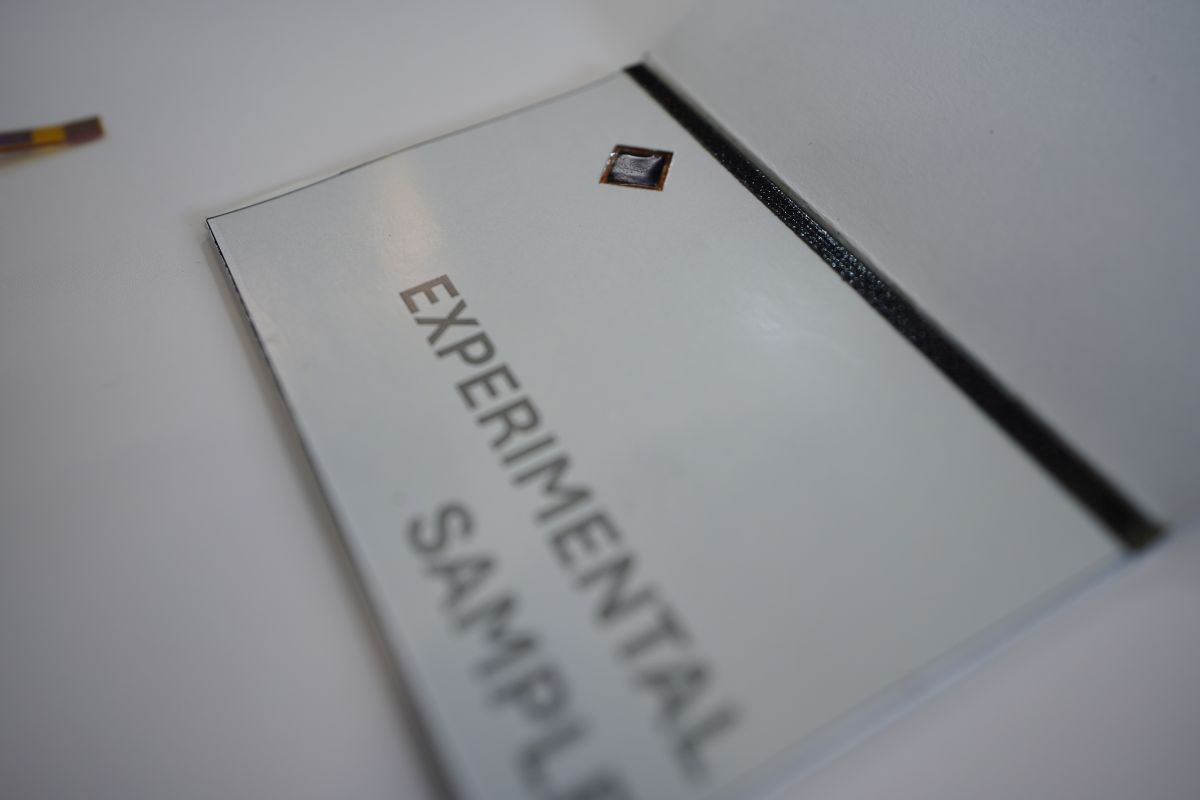
The prototype still requires further development before it can be mass-produced cost-effectively. More information about the research is available in the ITB article.