




STEI ITB and UGM Collaborate to Study Public Perception of Rooftop Solar Power Plants Through a Gamification Approach
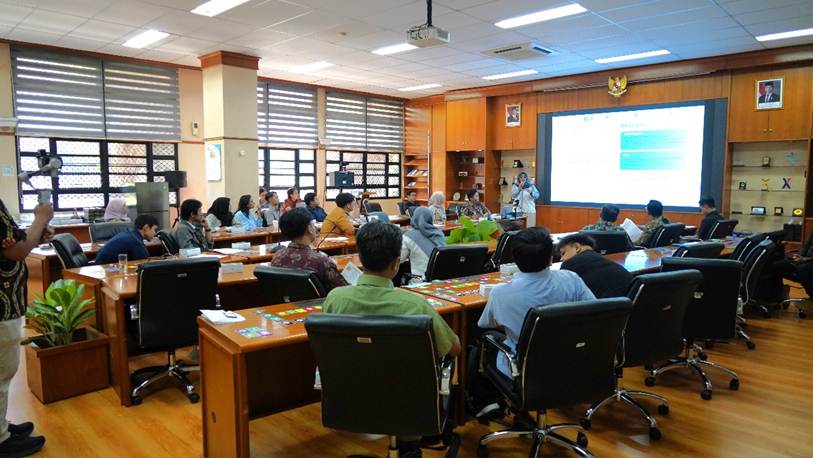
Bandung, stei.itb.ac.id/redesign – The School of Electrical Engineering and Informatics of the Bandung Institute of Technology strengthens academic collaboration with national universities by holding a Gamification Trial on Public Perception and Policy regarding Household Rooftop PV with Gadjah Mada University (UGM), Thursday (18/6/2026). The activity, which took place in the STEI ITB Meeting Room, Labtek VIII Building, 2nd Floor, was part of a joint effort to understand public perceptions of the use of Rooftop Solar Power Plants (PLTS) and various policies that support their development in Indonesia.
Amid growing attention to the energy transition and the use of renewable energy sources, public acceptance is a critical factor in determining the successful implementation of clean energy technologies. Based on this need, STEI ITB and UGM developed a gamification-based approach to explore how the public views the use of rooftop solar power plants in the household sector and their responses to various potential policy scenarios.
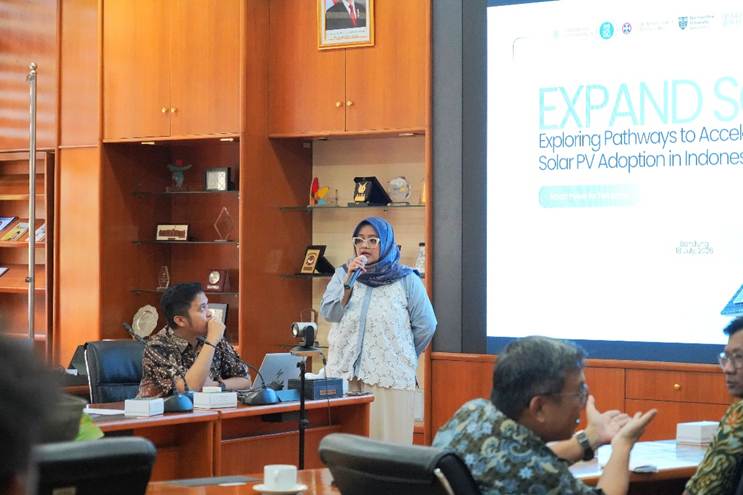
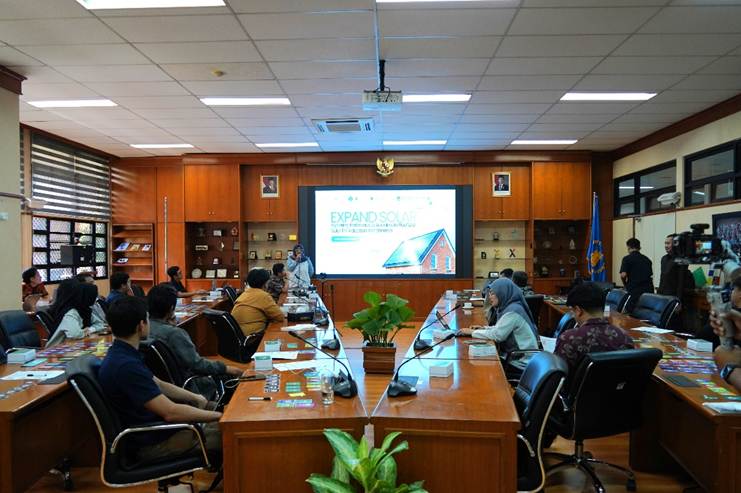
This activity involved lecturers and students from STEI ITB as participants in the trial. The activity was attended by Dr. Kevin Marojahan Banjar Nahor, S.T., M.T. and Dr. Eng. Rachmawati, S.T., M.Eng. from the Electrical Engineering Expertise Group. Along with a number of students who participated in testing the method.
Through interactive simulations designed to mimic real-life situations, participants were challenged to make decisions under various conditions related to rooftop solar adoption. This approach allowed researchers to gain a deeper understanding of the factors influencing public acceptance, from economic and environmental aspects to the effectiveness of government policies.
The use of gamification in public policy research is increasingly widespread due to its ability to increase participant engagement and generate richer behavioral data than conventional survey methods. This approach opens up new opportunities for understanding public decision-making processes on strategic issues, including the transition to cleaner and more sustainable energy.
The use of gamification in public policy research is increasingly widespread due to its ability to increase participant engagement and generate richer behavioral data than conventional survey methods. This approach opens up new opportunities for understanding public decision-making processes on strategic issues, including the transition to cleaner and more sustainable energy.