




ITB and The Asia Foundation Launch Cyber Clinic: A Strategic Collaboration to Strengthen the Cybersecurity Resilience of MSMEs in the Digital Era
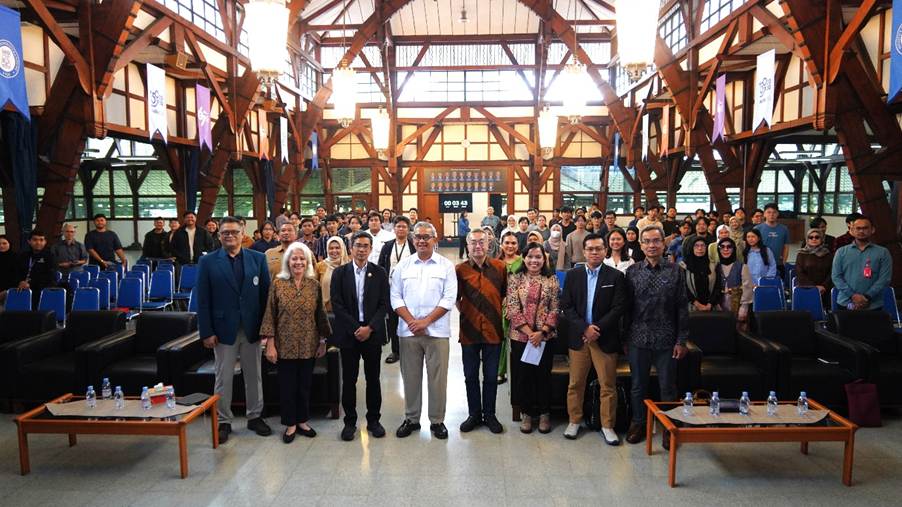
Bandung, stei.itb.ac.id/redesign – Institut Teknologi Bandung, through the School of Electrical Engineering and Informatics (STEI), officially launched the Cyber Clinic program in collaboration with The Asia Foundation as part of the LaunchFest Cyber Clinic ITB, held at Aula Barat, ITB Ganesha Campus, Bandung, on Monday, May 25, 2026. This strategic program is supported by the global APAC Cybersecurity Fund initiative from Google.org and is specifically designed to strengthen the cybersecurity capacity and posture of Micro, Small, and Medium Enterprises (UMKM) in Bandung and its surrounding areas.
This initiative was born out of deep concern over the alarming state of digital security among UMKM. UMKM currently serve as a major pillar of the national economy, contributing 60.5 percent to Indonesia’s Gross Domestic Product (GDP), with 87 percent of them already using the internet in their daily business operations. However, this rapid adoption of technology has not been matched by adequate digital protection readiness.
Secretary General of the Indonesian E-Commerce Association (idEA), Budi Primawan, highlighted the significant potential that also brings considerable vulnerability. Indonesia’s digital economy is projected to reach USD 200 to 360 billion by 2030, making cybersecurity not merely a technical issue, but a fundamental pillar of national digital economic growth.
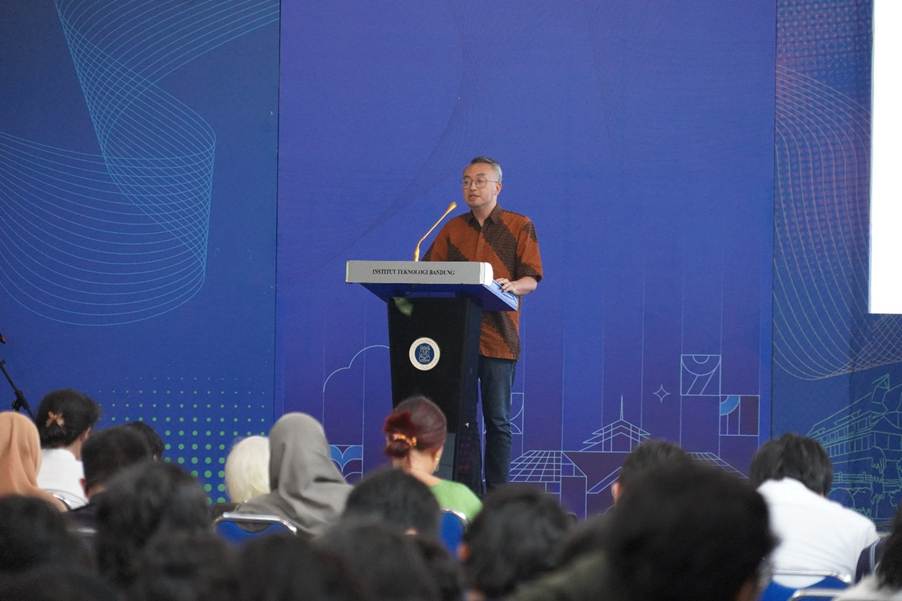 Data from various institutions further underscores this urgency. Globally, 43 percent of all cyberattacks now target small businesses. Deputy Director of the Consumer Protection Department at the Financial Services Authority (OJK), Dahnial Apriyadi, stated that Indonesia’s cybersecurity score stands at 6.53 on a scale of 10, placing the country 111th out of 112 countries surveyed, only one rank above the most vulnerable country. Meanwhile, research by the National Cyber and Crypto Agency (BSSN) shows that out of 1,004 UMKM samples surveyed, 64.1 percent fell into the poor and very poor digital security categories, as conveyed by Rio Yunia Pratama from BSSN’s Directorate of Cybersecurity and Cryptography for Finance, Trade, and Tourism.
Through the Cyber Clinic program, ITB integrates its strengths in academic research and development to address concrete challenges in the field. The program aims to train 100 selected ITB students, equipping them with technical cybersecurity skills as well as strong social competencies. Once trained, these students will be deployed directly to provide free assistance services to approximately 200 digital UMKM.
The services provided include basic security audits or risk assessments, cybersecurity awareness training with modules contextualized to UMKM needs, as well as technical assistance in securing business infrastructure and digital devices.
Chair of the ITB Cyber Clinic Program, Dr. techn. Muhammad Zuhri Catur Candra, S.T., M.T., emphasized the broader vision behind the program
"Our main mission is to transform the framework we have presented into a shared opportunity to build a more resilient community in facing various challenges, while ensuring that digital security can be enjoyed by all parties. Therefore, the collaboration between ITB and The Asia Foundation carries not only local impact, but also regional and even global significance,” he said.
The launch ceremony also marked the operation of the Cybersecurity Hub within ITB, located in two sites: the Cyber Security Research and Development Center building at the Jatinangor Campus and a consultation facility at Labtek VIII, Ganesha Campus. Both are designed as cross-sector collaboration centers involving academia, industry, and the community.
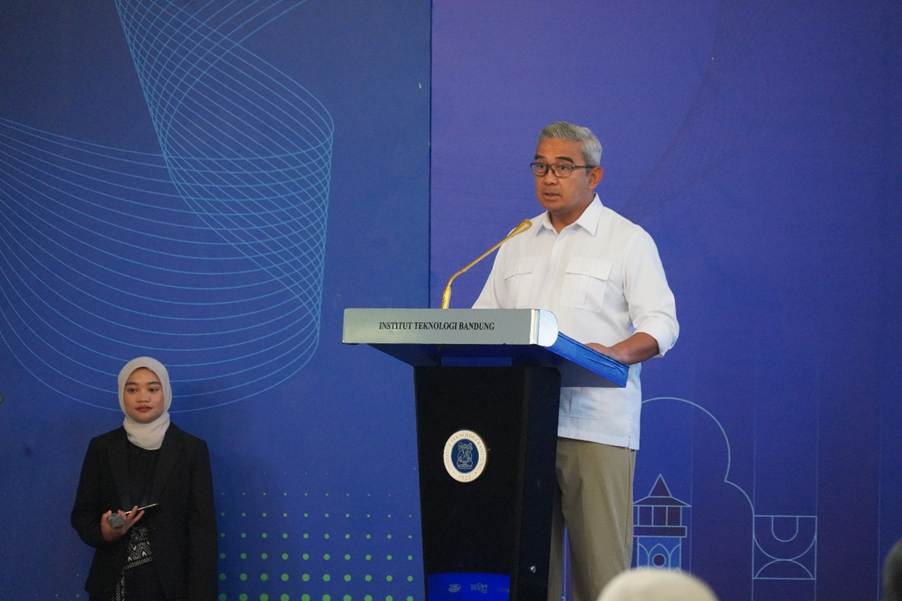 The Mayor of Bandung, Muhammad Farhan, attended the launch and warmly welcomed the program. He emphasized that the city government has often overlooked two crucial aspects of digital governance: risk and impact. According to him, these two elements are among the most important, yet also among the most difficult to measure quantitatively.
“This event can provide input for the Bandung City Government in utilizing various digital technologies and methods that can measure impact and risk. Risk and impact are indeed among the most complicated aspects of management to measure quantitatively. That is why ITB people are needed to calculate them.”
Farhan also revealed that complaints related to digital fraud received by the Bandung City Government have so far been more personal in nature, rather than originating from business entities. No complaints have yet been found regarding digital fraud affecting cooperatives or UMKM as institutions. This condition, however, is seen as the best momentum to act.
“Before it happens, this is where we will calculate the risks,” he stressed.
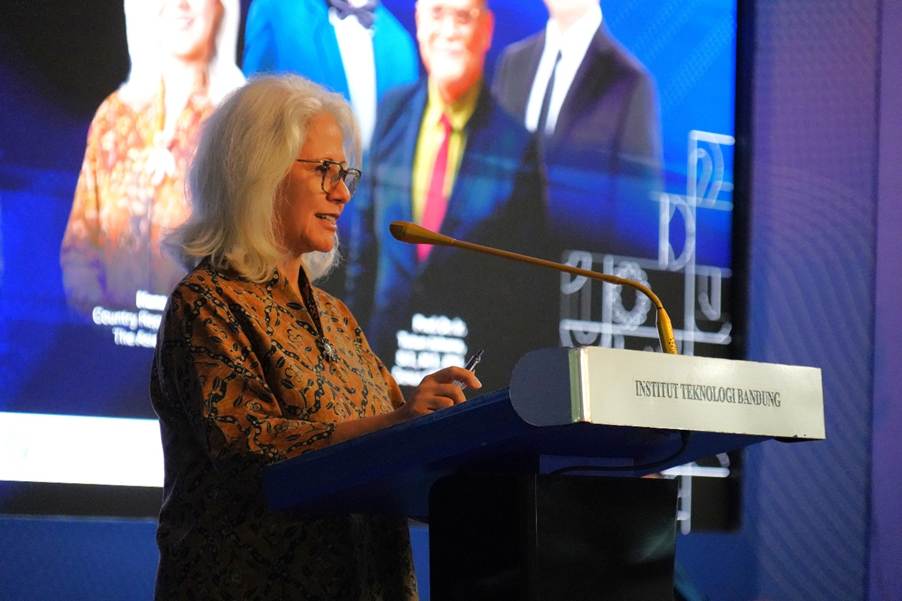 The Asia Foundation Indonesia Country Representative, Hana A. Satriyo, stated that the Cyber Security Clinic is a long-awaited initiative. According to her, MSMEs are far more vulnerable than large businesses to daily cyberattacks. The root of the problem lies in two factors: MSMEs' limited knowledge and limited skills in understanding and anticipating digital threats.
"Better policies are needed, but we also see the need for empowerment through better managed clinics. Collaborating with universities like ITB could be more sustainable. If that small amount of money is leaked here and there due to poor digital security, the misery will only increase. It's urgent that we all work together to promote better digital security for MSMEs."
When asked about the program's reach, Hana emphasized that geographic boundaries are irrelevant in the context of digital security. ITB, with its track record extending beyond regional boundaries, is seen as having national leverage, particularly in western Indonesia. To strengthen its reach to the east, The Asia Foundation is also collaborating with Gadjah Mada University (UGM).
"We are also collaborating in other countries on cybersecurity issues for MSMEs. These MSMEs are crucial, supporting the economic life of hundreds of millions of Indonesians," he concluded.
The ITB Cyber Clinic will not stand alone. This program will be integrated into the Asia Pacific Cybersecurity Clinics Consortium, making it part of a broader regional movement. This multi-sector collaboration, involving academia, the technology industry, regulatory agencies, and local governments, is expected to produce superior talent in the field of cybersecurity while ensuring that the benefits of the digital economy can be safely enjoyed by all levels of business.
With the launch of this program, ITB reaffirms its role as an institution that not only excels in research and education, but also has a real presence in responding to societal challenges, from small businesses in Bandung to the digital ecosystem of MSMEs throughout the archipelago.